How we choose products
We choose each piece ourselves, order it in small numbers, and only list what we would want in our own house.
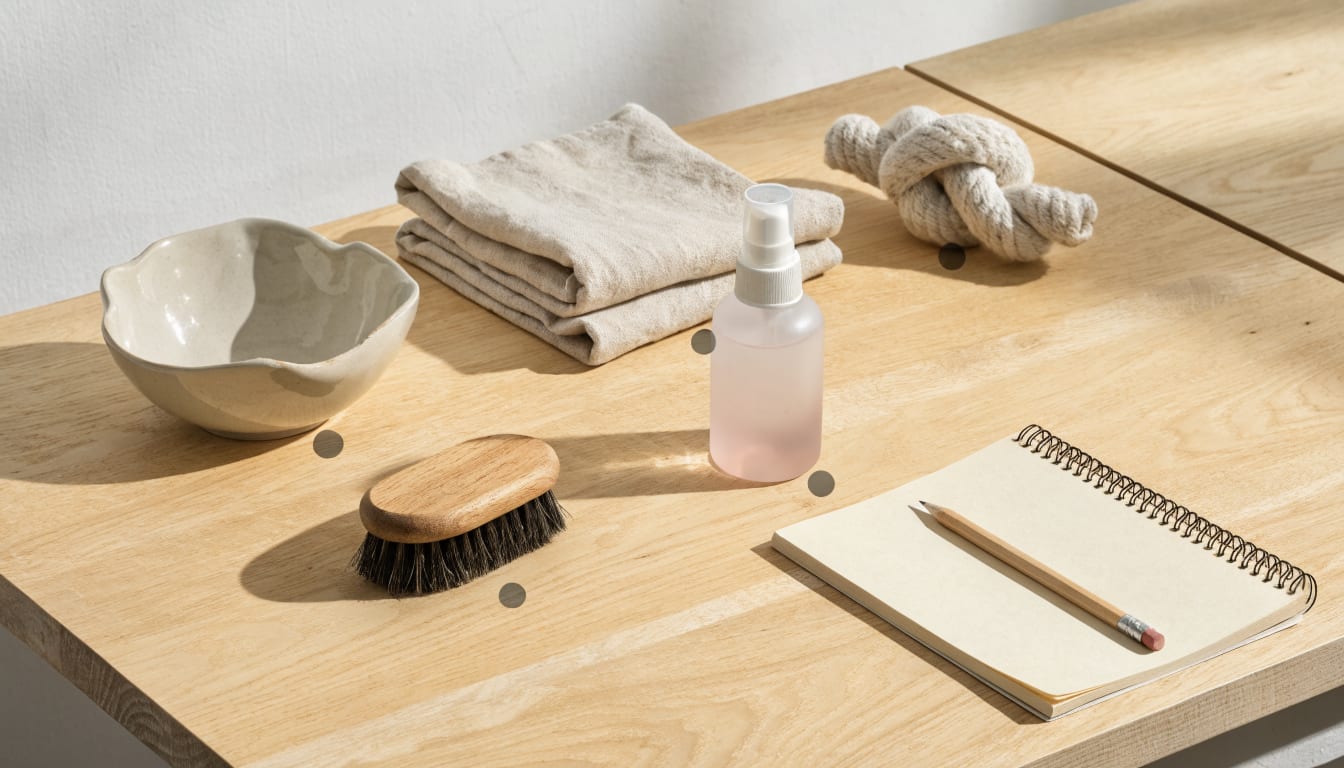
We choose it ourselves
There is no buying team and no algorithm. The two of us look at what a maker offers, decide whether we would want it at home, and say no to most of it. A range this small has no room for anything we are lukewarm about.
Small numbers, sent direct
We order in small numbers rather than filling a warehouse, and each piece is sent to you direct from the maker. That is how the prices stay where they are, and it is why a parcel usually takes 7 to 14 working days to reach you in the UK rather than arriving the next morning. We would rather tell you the honest estimate than a hopeful one.
The questions we ask before anything gets listed
- Is it better than what you could already buy, in a way you could describe to somebody in a sentence?
- Can it be cleaned by a person who is tired? Machine washable beats spot clean every time.
- Does it survive the animal, or does the animal survive it? Both have to be true.
- If it broke, could it be repaired or replaced in part, or is the whole thing landfill?
- Would we put it in the front room? For anything with an animal in it, that is the whole test.
Who makes it
The range comes from makers and suppliers outside the UK, and each piece is sent to you direct from them rather than through a warehouse of ours.
We are not going to claim more than that. We are small, our orders are small, and a supply chain audit is not something we can honestly say we have done. What we can say is that we chose each supplier ourselves, and we would rather drop a line than keep selling something we have had complaints about.
When something goes wrong later
Some faults only show up months in. If a pattern appears in what customers tell us, the product comes off the site, even if it is selling. We would rather lose the line than keep taking money for something we now know fails.